

Unleash the Magic: Discover the Ultimate Fire Pit Covers Everyone's Talking About!
Fire pits have become a beloved centerpiece in many backyards, providing warmth and a gathering spot for family and friends. However, as their popularity rises, so does the need for proper protection, leading to an increased interest in fire pit covers. These covers not only safeguard your fire pit from harsh weather conditions but also keep it clean and safe when not in use. In this article, we will explore the various types of fire pit covers available, their benefits, and essential tips for choosing the right one for your outdoor space. Whether you’re a seasoned outdoor enthusiast or a new owner of a fire pit, this guide will help you make informed decisions that enhance your outdoor experience.
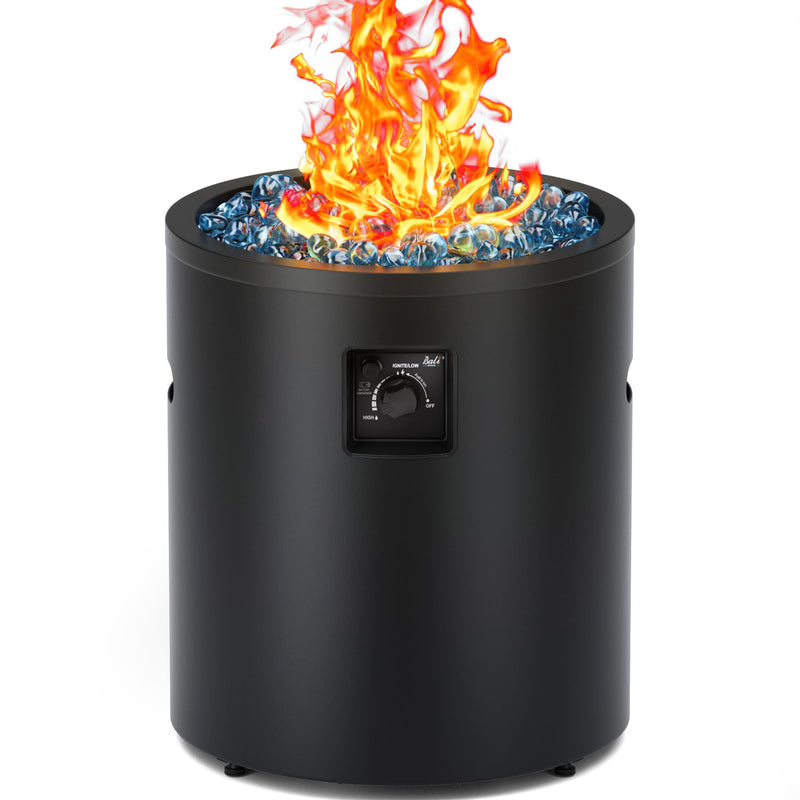
Understanding Fire Pit Covers
Fire pit covers are protective shields designed to fit over your fire pit when it’s not in use. Their primary function is to protect the fire pit from weather elements such as rain, snow, and UV rays, which can cause rust and deterioration over time. Additionally, these covers help keep debris like leaves, dirt, and animal droppings out of your fire pit, ensuring it remains clean and ready for your next gathering. Safety is another critical aspect; covers prevent accidental burns by keeping children and pets away from the fire pit area. Personally, I remember the first time my friend left her fire pit uncovered during a storm—she had to spend hours cleaning it out afterward. A simple cover could have saved her a lot of trouble.
Benefits of Using Fire Pit Covers
There are numerous advantages to using fire pit covers. First and foremost, they significantly extend the lifespan of your fire pit. By shielding it from the elements, you reduce the risk of rust and structural damage. This means you won't have to replace your fire pit as frequently, ultimately saving you money in the long run. Additionally, having a cover makes maintenance a breeze; instead of spending time cleaning out debris or dealing with corrosion, you can simply remove the cover and enjoy your fire pit. Another compelling benefit is safety. A well-fitted cover keeps curious pets and children away from the fire pit area, reducing the risk of accidents. A friend of mine always emphasizes how her fire pit cover gave her peace of mind, especially during family gatherings.
Choosing the Right Fire Pit Cover
Selecting the appropriate fire pit cover involves considering several factors. First, size is crucial—measure your fire pit's diameter and height to ensure a snug fit. A cover that's too large may blow away, while one that’s too small won’t provide adequate protection. Next, consider the material. Durable materials like heavy-duty polyester or vinyl offer excellent weather resistance; however, ensure they are breathable to prevent moisture buildup underneath. Durability is also key; look for covers with reinforced seams and UV protection to prevent fading. If you’re unsure about fitting, many covers come with adjustable straps or drawstrings for a secure fit. When my neighbor bought a cover that was a bit too big, it ended up collecting water, which was a hassle. Proper measurements can make all the difference.
Common Mistakes to Avoid
When purchasing fire pit covers, it's easy to make mistakes that can lead to dissatisfaction. One common pitfall is improper sizing—always measure your fire pit before purchasing a cover. Neglecting maintenance is another frequent issue; some users forget that covers also need cleaning and inspection to ensure longevity. Choosing the wrong material can also be detrimental; for instance, opting for a lightweight cover in a windy area can lead to it blowing away. A friend of mine learned this the hard way when her flimsy cover disappeared during a gusty night, leaving her fire pit exposed and vulnerable. Taking the time to research and consider your options can save you from these common errors.
Care and Maintenance of Fire Pit Covers
To maximize the lifespan of your fire pit cover, proper care and maintenance are essential. Regular cleaning is key; use mild soap and water to remove dirt and debris, ensuring you rinse thoroughly to avoid residue buildup. During off-seasons, store the cover in a dry location to prevent mildew growth. Additionally, conduct regular inspections for signs of wear and tear such as cracks or fading, and replace the cover if necessary. A friend of mine has a routine of checking her cover every few months, which has helped her catch issues early and ensure her fire pit remains protected. By following these tips, you can keep your fire pit cover in excellent condition for years to come.
Maximizing Your Outdoor Experience with Fire Pit Covers
Investing in a quality fire pit cover is essential for anyone looking to enhance their outdoor experience. Not only does it protect your fire pit from the elements, but it also ensures safety and ease of maintenance, allowing you to enjoy countless evenings around the fire with family and friends. As you assess your needs, remember to consider size, material, and care requirements. With the right fire pit cover, you can keep the magic of your outdoor gatherings alive, no matter the season.