
Unveiling Nature's Secrets: Discover Captivating Styles and Techniques in Painting
Nature paintings have long held a cherished place in the world of art, offering a glimpse into the beauty and complexity of the natural world. Artists draw inspiration from the landscapes, flora, and fauna that surround them, creating works that not only capture visual beauty but also evoke deep emotional and spiritual connections. The act of painting nature allows both the artist and the viewer to explore their own experiences and feelings related to the environment. From lush forests to tranquil seascapes, nature paintings come in an array of styles and techniques, each telling its own unique story. This diversity is a testament to the myriad ways in which artists interpret and convey their relationship with nature, inviting us to delve deeper into this enchanting genre.
Understanding Different Styles of Nature Paintings
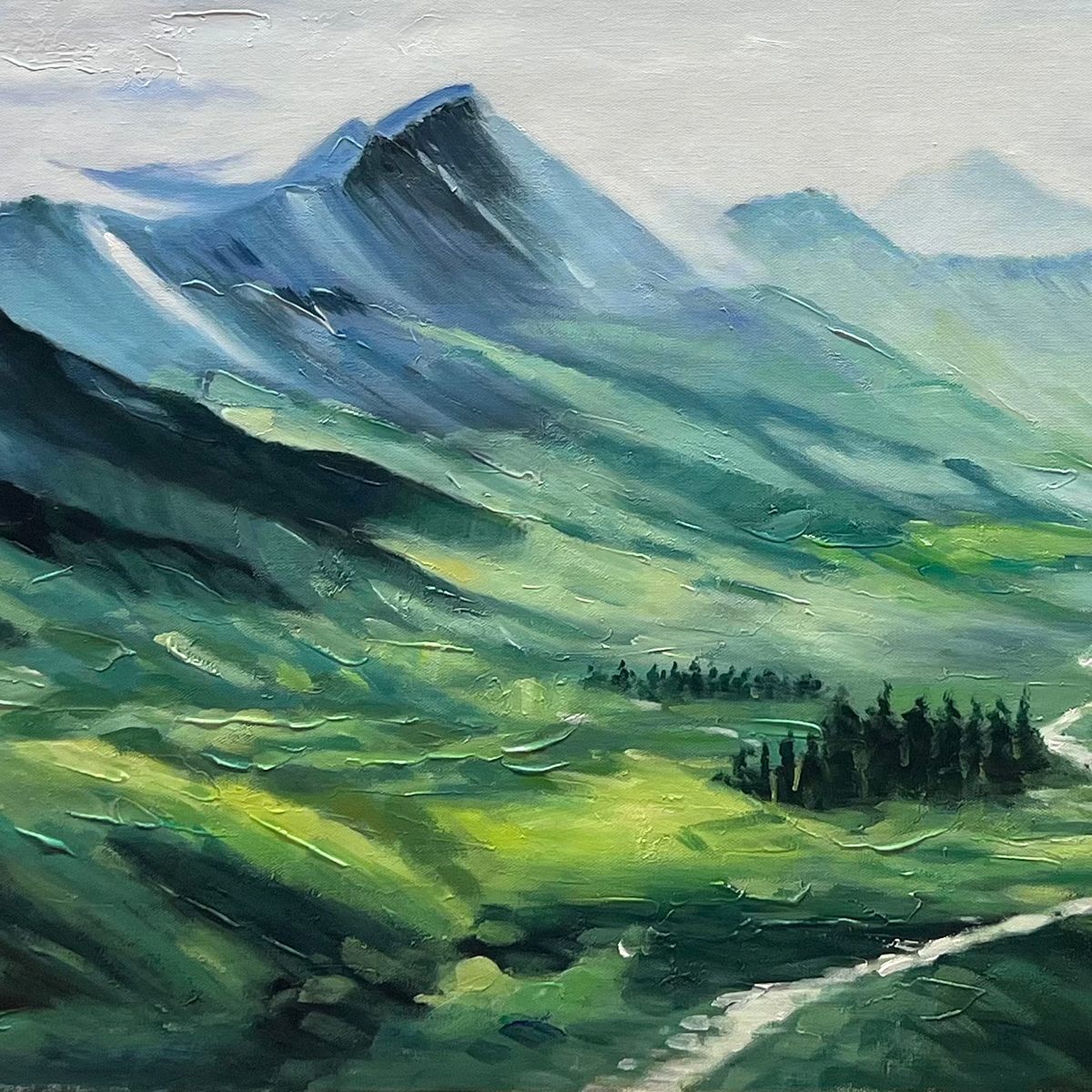
Nature paintings can be categorized into various styles, each offering a unique perspective on the natural world. Realism, for instance, strives to depict nature as it is, capturing intricate details and true-to-life colors. This style resonates with viewers who appreciate the authenticity of a scene that mirrors reality. Impressionism, on the other hand, captures the essence of a moment, focusing on light and movement rather than precise details. Artists like Claude Monet utilized this style to express the fleeting beauty of nature, inviting viewers to experience the world through a more subjective lens. Abstract nature paintings take a different approach, using colors and shapes to convey emotions and impressions rather than literal representations. This style can evoke a sense of wonder and introspection, encouraging the viewer to connect with nature on a more emotional level. Traditional landscape painting often encapsulates vast vistas and serene environments, drawing upon historical techniques and themes. Each of these styles reflects not only the artist’s interpretation of nature but also the cultural and historical context in which they worked, showcasing the rich tapestry of human experience as it relates to the natural world.
Techniques Used in Nature Painting
The techniques employed in nature painting vary widely, each offering distinct qualities that can enhance an artist's ability to capture the essence of their subject. Oil painting is one of the most traditional methods, known for its rich colors and ability to create depth through layering. Artists can manipulate oil paints to achieve both fine details and broad strokes, allowing for versatility in capturing landscapes or intricate floral arrangements. Watercolor painting, with its translucent layers, offers a softer, more ethereal quality, making it ideal for depicting delicate flowers or serene water scenes. The fluidity of watercolors can evoke a sense of calm, reflecting the tranquil aspects of nature. Acrylic paints are favored for their quick-drying properties and vibrant colors, enabling artists to experiment with bold techniques and styles. Meanwhile, pastels provide a unique texture and softness, allowing for a more tactile approach to painting nature. Each medium brings its own character and challenges, encouraging artists to explore and develop their personal technique in conveying the beauty of the world around them.
Thematic Elements in Nature Paintings
The themes portrayed in nature paintings often reveal the artist's perspective and cultural influences, creating a rich narrative within each piece. Common themes include the changing seasons, which can symbolize the passage of time and the cyclical nature of life. Artists often depict the vibrancy of spring blossoms or the stark beauty of winter landscapes, using these shifts to reflect their emotions or societal commentary. Flora and fauna are also prevalent themes, with artists exploring the intricate relationships within ecosystems. These themes can convey messages about conservation and humanity's connection to the environment. Landscapes, whether vast and sweeping or intimate and detailed, allow artists to express their personal experiences and feelings related to specific locations. The choice of theme often mirrors cultural values, historical contexts, and individual experiences, inviting viewers to engage thoughtfully with the artwork and reflect on their relationship with nature.
Influential Nature Painters Throughout History
Throughout art history, many influential painters have dedicated their talents to capturing nature’s beauty. One of the most celebrated figures is John Constable, known for his detailed landscape paintings that evoke the rural English countryside. His works often highlight the interplay of light and atmosphere, reflecting a profound appreciation for the natural world. Another noteworthy artist is Vincent van Gogh, whose expressive brushwork and vibrant colors brought landscapes and gardens to life, making them feel almost alive. In contemporary art, artists like Georgia O’Keeffe have made significant contributions with their bold interpretations of flowers and desert landscapes, pushing boundaries and encouraging new ways of seeing nature. These artists, among many others, have not only shaped the nature painting genre but also inspired countless others to explore their interpretations of the natural world, creating a lasting legacy that continues to resonate.
Appreciating the Art of Nature Painting
Exploring the diverse styles, techniques, and themes in nature paintings offers a deeper appreciation for this captivating art form. Each painting serves as a window into the artist’s soul and their connection to the environment, inviting viewers to reflect on their own experiences with nature. Whether through the meticulous details of realism, the emotive strokes of impressionism, or the vibrant expressions found in abstract art, nature paintings encapsulate the beauty of the world around us. For those inspired by these works, picking up a brush and capturing the essence of nature can be a fulfilling endeavor, allowing for personal expression and a renewed connection to the earth. Embrace the journey of discovery in nature painting, and let your creativity flourish.